Calming an Aggressive Dog: Signs of Fear-Based Aggression and Trainer Tips
Published Date:
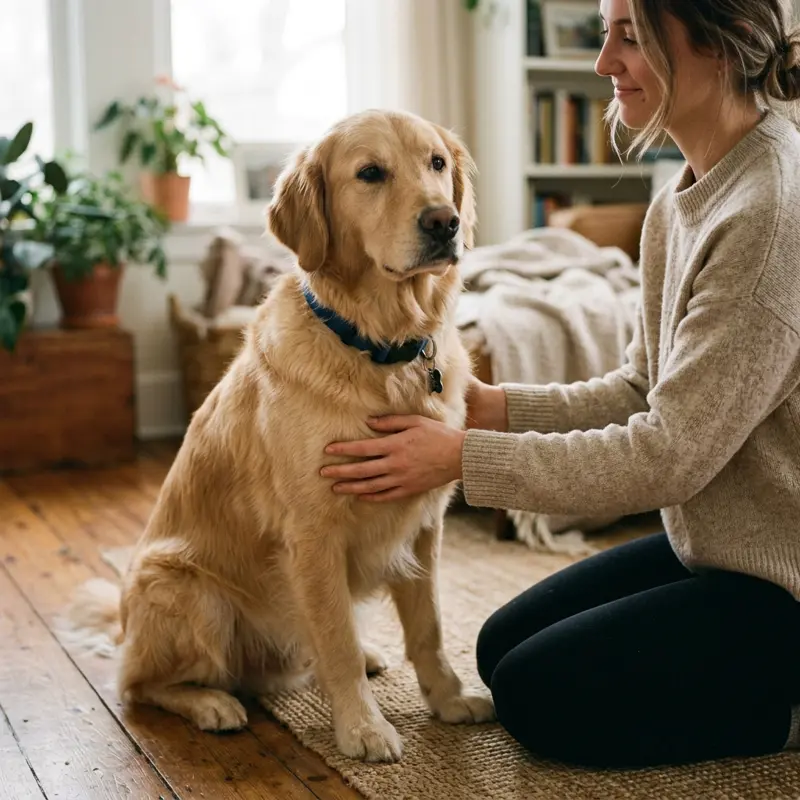
Dealing with dog aggression can be stressful and frightening for any pet owner. Many people assume that an aggressive dog is simply “bad” or dominant, but canine behaviorists agree that the vast majority of dog aggression is actually rooted in fear and anxiety.
Understanding the difference between dominant aggression and fear-based aggression is critical for keeping everyone safe and helping your dog heal.
Here is the guide to understanding and calming an aggressive dog, structured by our AI pet care assistant Pati:
Signs of Fear-Based Aggression
A dog displaying fear aggression reacts because they believe they are in danger and have no other choice but to defend themselves. Watch for these subtle warning signs:
- Cowering, flattening ears, or tucking the tail tightly between the legs.
- Growling, baring teeth, or snapping when cornered.
- Licking lips, yawning, or turning their head away to avoid eye contact (common stress signals).
- Dilated pupils or displaying the “whale eye” (showing the white part of their eyes).
1. Identify and Avoid Triggers
The first step in any behavior modification plan is managing your dog’s environment.
- Action: Pay close attention to what causes the aggressive reaction. Is it strangers, other dogs, loud noises, or specific objects? Keep your dog away from these triggers in early training stages to prevent stress buildup.
2. Never Punish Aggression
Punishing a dog for growling or snapping is highly dangerous. Growling is a dog’s warning system; if you train them not to growl, they will bite without warning.
- Action: Never yell, hit, or use shock collars. Punishing fear only makes the dog more afraid, which increases the likelihood of future aggression.
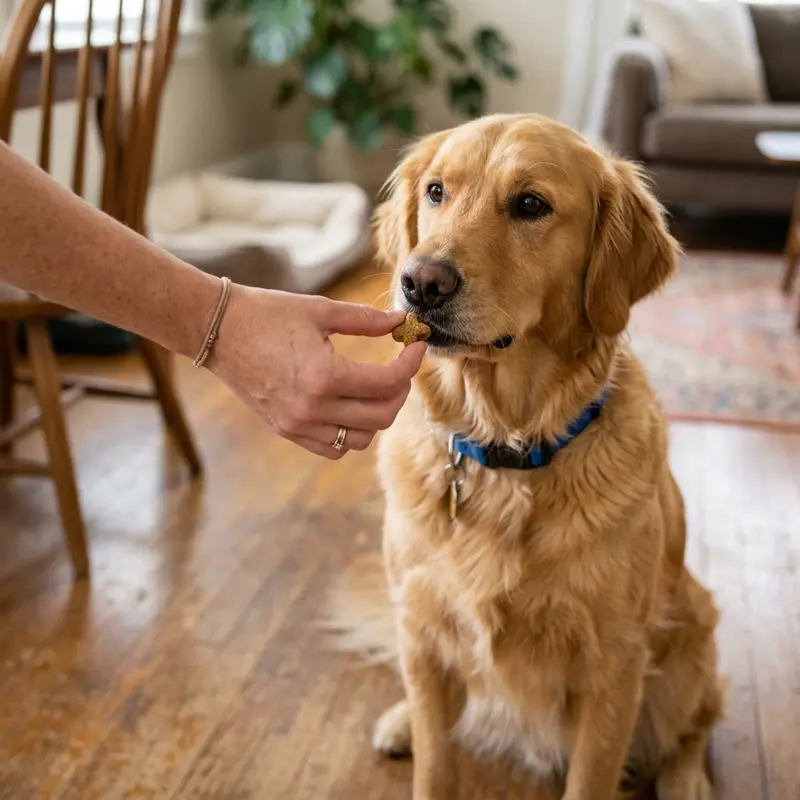
3. Use Desensitization and Counter-Conditioning
This training technique changes your dog’s emotional response to their trigger.
- Action: From a safe distance where your dog remains calm, show them the trigger and immediately feed them a high-value treat. Over time, your dog will associate the trigger with positive rewards instead of danger.
4. Create a Safe Haven
Every dog needs a secure space where they can retreat when feeling overwhelmed.
- Action: Set up a comfortable crate or a quiet room with their favorite bed and toys. Instruct family members and guests to leave the dog alone when they are in their safe space.
Track Behavior and Get Training Tips with Pati!
Need help managing your dog’s training routine or tracking behavioral issues? Download the Pati app. Use Pati’s behavioral logging features to track aggression triggers and log patterns, and get instant guidance from our AI pet assistant. Download Pati App Now and build a harmonious relationship with your pet!